How Much Does It Cost To Renovate A House In NZ?
A practical guide to house renovation costs in New Zealand, including indicative budgets for full homes, kitchens and bathrooms and how to plan your project.
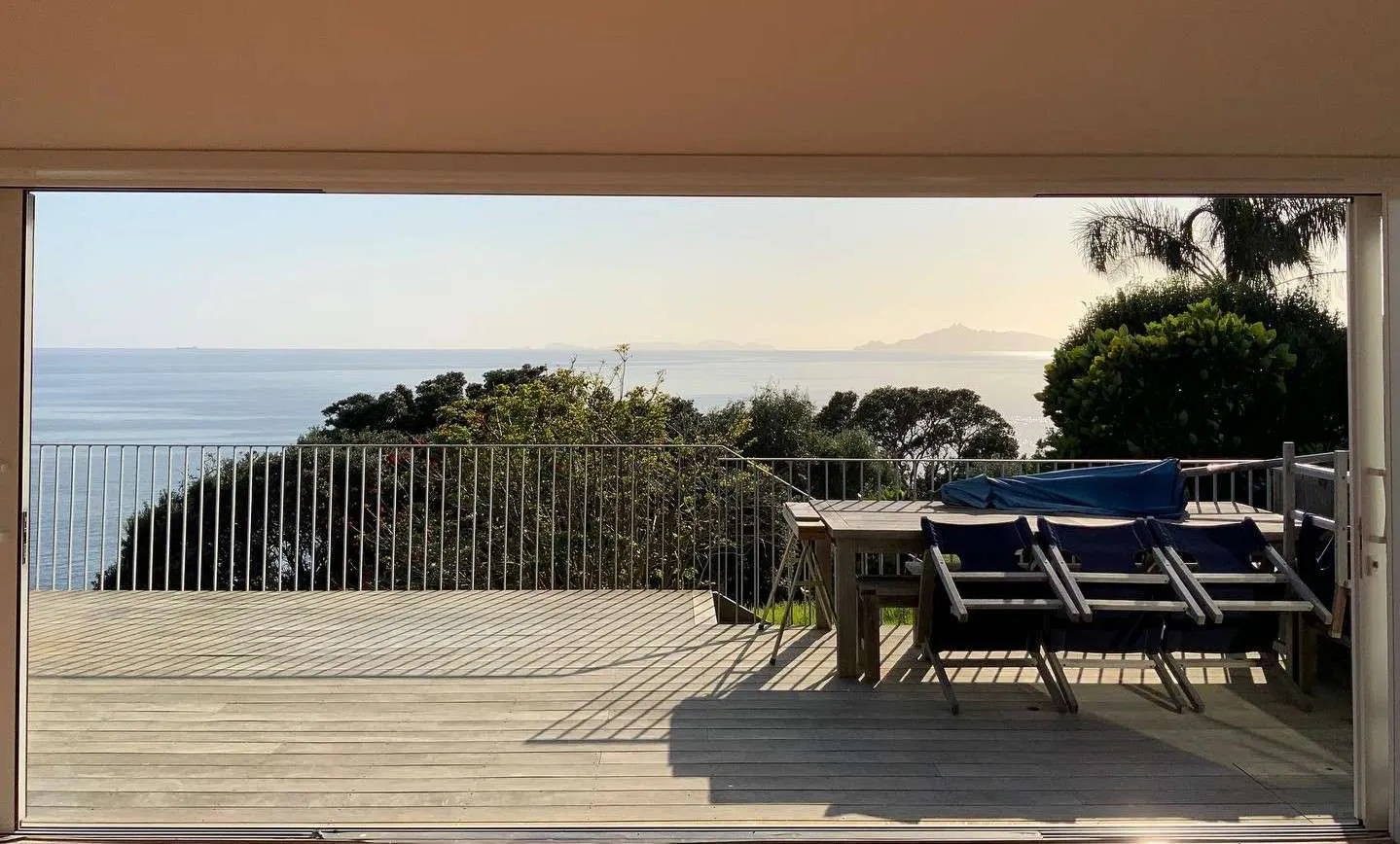
Renovating your home is an exciting opportunity to improve your living space, increase functionality and add long-term value to your property. However, before starting a renovation project, one of the most important questions to answer is: how much does a house renovation cost in New Zealand?
The cost of renovating a house in NZ can range from a few thousand dollars for minor cosmetic updates to several hundred thousand dollars for a complete home transformation. Your final budget will depend on the size and condition of your property, the complexity of the work, your choice of materials and whether structural changes are required.
Whether you're planning to modernise an older home, renovate your kitchen and bathroom or completely redesign your living space, understanding the costs involved will help you plan with confidence. In this guide, Green Build Projects explains the average house renovation costs in NZ, the factors that influence your budget and how to plan a successful renovation.
How Much Does a House Renovation Cost in NZ?
As a general guide, a full house renovation in New Zealand can cost approximately $80,000 to $500,000 or more, depending on the scale and specification of the project. Smaller renovations will generally cost less, while extensive structural alterations and premium finishes can significantly increase the total investment.
The following provides indicative renovation costs for budgeting purposes:
- Minor cosmetic renovation: $10,000 to $40,000
- Partial home renovation: $40,000 to $100,000
- Mid-range full house renovation: $130,000 to $250,000
- High-end house renovation: $250,000 to $500,000+
- Major renovation with structural changes: $300,000+
These figures are indicative estimates rather than fixed prices. They may overlap depending on the size of the home, the work involved and the level of finish required. Design fees, council consent, landscaping and other project costs may also sit outside these estimates.
For example, refreshing the paint, flooring and fixtures in an existing home will generally cost considerably less than removing walls, relocating plumbing, upgrading electrical systems or completely redesigning the interior. The best way to establish an accurate budget is to define the scope of your renovation and obtain a detailed estimate based on your property and requirements.
What Affects the Cost of a House Renovation?
Every renovation project is different. Understanding the main cost factors will help you determine where your budget is likely to be spent.
1. The Size of Your Home
The size of your property is one of the biggest factors influencing renovation costs. Larger homes generally require more materials, labour and time to complete.
However, the total cost is not determined by floor area alone. A smaller home requiring extensive structural work could cost more to renovate than a larger property needing only cosmetic improvements. The number of rooms being renovated, the complexity of the layout and the condition of the existing building will all influence the final price.
2. The Scope of the Renovation
The extent of the work required will have a significant impact on your overall budget. A cosmetic renovation might include repainting walls, replacing flooring, updating light fittings and refreshing existing cabinetry. These improvements can transform a home without requiring major construction work.
A more extensive renovation could involve:
- Removing or relocating internal walls
- Reconfiguring the kitchen and living areas
- Renovating bathrooms and laundries
- Replacing windows and doors
- Upgrading plumbing and electrical systems
- Improving insulation and ventilation
- Repairing structural components
- Extending the existing home
The more complex the work, the more planning, specialist trades and construction time may be required.
3. Materials, Fixtures and Finishes
Your choice of materials can significantly influence the final renovation cost. For example, standard cabinetry, laminate benchtops and readily available fittings may provide a cost-effective solution. Custom joinery, natural stone, premium appliances and specialised finishes will generally require a larger budget.
It is important to balance appearance, durability and functionality when selecting materials. Investing in quality products where they matter most can improve the longevity and usability of your renovated home.
A well-planned renovation does not necessarily require the most expensive materials. The right combination of finishes can achieve an excellent result while keeping costs under control.
4. The Age and Condition of Your Property
Older homes can present additional challenges during renovation, particularly if maintenance has been deferred or previous building work requires attention.
Once demolition begins, builders may uncover hidden problems such as timber damage, moisture issues, outdated wiring, deteriorated plumbing or inadequate structural support. These unexpected repairs can increase the project cost and affect the construction timeline.
Before committing to a renovation budget, it is worth assessing the condition of your property and identifying potential risks. Allowing a contingency for unforeseen work can also help reduce financial pressure if unexpected issues arise.
5. Design, Engineering and Building Consent
Depending on the scope of your renovation, you may need architectural design, engineering advice, specialist reports or building consent.
Cosmetic updates and some minor building work may not require consent, but structural alterations and other regulated work can have additional requirements. The rules depend on the proposed work and the circumstances of your property.
Professional fees and council costs should be included in your budget from the beginning rather than treated as unexpected expenses. Working with an experienced building team can help identify these requirements early and coordinate the relevant professionals throughout the project.
How Much Does a Kitchen Renovation Cost in NZ?
A kitchen renovation can make a substantial difference to the appearance and functionality of your home.
In New Zealand, a basic kitchen refresh may cost approximately $15,000 to $25,000, while a mid-range renovation can range from $25,000 to $65,000. High-end kitchens with custom cabinetry, premium appliances and significant layout changes may cost $65,000 to $100,000 or more.
The final price will depend on the size of your kitchen, cabinetry, benchtops, appliances, flooring, lighting and whether plumbing or electrical services need to be relocated. Keeping the existing kitchen layout can help manage costs, while opening the kitchen into an adjoining living or dining area may require additional structural work.
When planning a kitchen renovation, consider how your household uses the space every day. Practical storage, efficient layouts, durable materials and suitable lighting can make a lasting difference.
How Much Does a Bathroom Renovation Cost in NZ?
Bathroom renovations can vary considerably in price depending on the fixtures, finishes and construction work involved.
As an indicative guide, a basic bathroom renovation may cost $15,000 to $30,000, while a mid-range renovation could range from $30,000 to $50,000. Premium bathrooms with high-end fittings, custom vanities and extensive tiling may cost $50,000 to $85,000 or more.
Common expenses include:
- Demolition and removal of existing fixtures
- Waterproofing and preparation
- Plumbing and drainage work
- Showers, baths, toilets and vanities
- Wall and floor tiling
- Lighting, ventilation and electrical work
- Installation and finishing
Waterproofing and plumbing are particularly important considerations because mistakes can lead to expensive problems later. If you are renovating multiple bathrooms, coordinating the work as part of a wider home renovation may also help improve project sequencing.
Is It Cheaper to Renovate or Extend Your Home?
If your current home no longer meets your needs, you may be deciding between renovating your existing layout and building an extension.
A renovation focuses on improving the existing structure, while an extension creates additional floor space. The right option will depend on how much space you need, your property layout and your long-term plans.
Renovating may be the better option if your existing home has enough space but needs a more functional layout, updated interiors or improved living areas.
An extension may be more suitable if you need additional bedrooms, a larger kitchen, extra living space or a dedicated area for working from home. However, extensions can involve additional costs for foundations, roofing, exterior cladding, drainage, structural connections and council requirements.
Before making a decision, consider the total cost of each option alongside the benefits it will deliver. A well-designed renovation may improve your existing home without the expense of increasing its footprint, while an extension may provide the space you need for the future.
Explore Green Build Projects' renovation services to learn more about transforming existing homes.
How to Budget for a House Renovation
Creating a realistic budget before construction begins is one of the most effective ways to manage renovation costs.
Establish Your Priorities
Start by identifying the improvements that matter most to you. Consider whether your main goal is to improve functionality, modernise the interior, increase space or create a more comfortable home for your family.
Separate essential work from optional upgrades so you can make informed decisions if adjustments to the budget are needed.
Set a Realistic Budget
Determine how much you can comfortably invest in the renovation. Your budget should account for construction, materials, professional fees, consent costs and any temporary accommodation or storage that may be required.
It is also important to consider how changes to the scope could affect the total cost.
Allow for Unexpected Expenses
A contingency of around 10 to 20% of the construction budget is a useful starting point for many renovation projects. Older properties or homes with significant unknowns may require a larger allowance.
This reserve can help cover unforeseen repairs, changes to the existing structure or other issues discovered during construction. Your builder can help assess an appropriate contingency based on the age, condition and complexity of your home.
Finalise Your Design and Selections Early
Late changes to layouts, materials and fixtures can create additional costs and delay construction. Where possible, finalise your plans and material selections before work begins.
This makes it easier to obtain comparable quotes, order materials and coordinate trades efficiently. A clear scope of work also reduces the risk of misunderstandings about what is included in the renovation price.
Compare Quotes Carefully
When comparing builders, look beyond the total price. Review the scope of work, materials, exclusions, allowances, estimated timeline and payment schedule.
A lower quote may not include the same level of finish or all the work required to complete the project. Choose a builder who communicates clearly, explains the costs and provides a transparent approach to managing the renovation.
How Can You Keep Renovation Costs Under Control?
A successful renovation is about more than choosing the cheapest materials or reducing the scope of work. Careful planning and good project management can help you achieve the result you want while making effective use of your budget.
Consider these practical tips:
- Retain the existing layout where possible: Keeping plumbing, drainage and electrical services in their current locations may reduce labour and installation costs.
- Prioritise structural and essential repairs: Address issues affecting safety, durability and the building envelope before spending heavily on decorative upgrades.
- Choose materials early: Early selections can reduce delays and help keep allowances aligned with your budget.
- Plan the project as a whole: Coordinating related work can reduce duplicated labour and improve scheduling.
- Avoid unnecessary changes during construction: Design changes after work has started can increase costs and extend the timeline.
- Work with an experienced builder: Good communication and clear project planning help identify potential issues before they become expensive problems.
The goal is to invest in improvements that deliver lasting value rather than simply minimising the initial cost.
Does Renovating Your House Add Value in NZ?
A well-planned house renovation can improve your property's appeal, functionality and potential resale value. However, the financial return will depend on the location, condition of the property, quality of the work and expectations of future buyers.
Improvements to kitchens, bathrooms, living spaces, insulation and overall presentation can make a home more attractive. Addressing maintenance issues and improving the flow between rooms may also enhance everyday living.
It is important to avoid assuming that every dollar spent on renovation will translate into an equivalent increase in property value. Before undertaking a major project primarily for resale, consider local property values, comparable homes and the likely demand for the improvements you are planning.
If you intend to stay in your home for many years, the benefits of a renovation may also include greater comfort, better functionality and a layout that suits your lifestyle.
Why Choose Green Build Projects for Your Renovation?
Choosing the right building team is an important part of any successful renovation. From initial planning through to construction, clear communication, attention to detail and careful coordination can make the process more manageable.
Green Build Projects works with homeowners to transform existing spaces through considered design and quality construction. The team collaborates with architects and designers where required to help bring renovation ideas to life. Based in Mangawhai, we deliver renovations across Mangawhai, Langs Beach, Waipu and the wider Northland coast, as well as in Auckland.
Whether you are updating selected areas or planning a more extensive transformation, understanding your goals and budget from the outset helps establish a clear direction for the project.
You can see recent work such as our Cove Road renovation at Langs Beach, explore more completed projects and learn more about the team.
If you are considering renovating your home, get in touch with Green Build Projects to discuss your ideas and the next steps towards bringing your vision to life.
Frequently Asked Questions About House Renovation Costs in NZ
How much does a full house renovation cost in NZ?
A full house renovation in New Zealand may cost approximately $130,000 to $250,000 for a mid-range project, while high-end renovations can exceed $500,000. The final cost depends on the home's size, condition, materials and extent of the work.
What is the average cost of renovating a house in NZ?
There is no single average that applies to every property. A cosmetic renovation may cost tens of thousands of dollars, while a comprehensive renovation involving a new kitchen, bathrooms, structural changes and upgraded services may cost several hundred thousand dollars.
How much should I budget for unexpected renovation costs?
A contingency of around 10 to 20% of the construction budget is a useful starting point. Older homes and projects with uncertain structural conditions may require a larger reserve.
Is it cheaper to renovate an existing house or build a new one?
Renovating can be more cost-effective when the existing structure is in good condition and meets your needs. However, extensive structural repairs, major layout changes or significant building defects can make a renovation more expensive than expected. Compare the full costs and benefits of both options before deciding.
Do I need building consent for a house renovation in NZ?
Some renovation work can be completed without building consent, while other work, including certain structural alterations, requires approval. Requirements depend on the project, so check with your local council or a qualified building professional before starting.
How long does a house renovation take?
The timeline depends on the size and complexity of the renovation, design requirements, consent processes, material availability and construction conditions. Smaller projects may take several weeks, while extensive renovations can take several months or longer.
What is the most expensive part of a house renovation?
Structural alterations, kitchen and bathroom upgrades, plumbing, electrical work and premium finishes can account for a significant portion of the budget. The most expensive element will depend on the existing condition of the property and the scope of the renovation.
Can I live in my house during a renovation?
You may be able to remain in your home during smaller or staged renovations. However, extensive work involving kitchens, bathrooms, structural changes, dust or utility disruptions may make temporary accommodation more practical.
Start Planning Your House Renovation
Understanding how much a house renovation costs in NZ is the first step towards creating a home that better suits your needs. By establishing clear priorities, setting a realistic budget and working with an experienced building team, you can make informed decisions throughout the process.
Every property and renovation is different, so the best starting point is a clear understanding of your goals, the work involved and the investment required.
Ready to transform your home? Contact Green Build Projects to discuss your renovation plans and explore how your existing home could be transformed.
Planning a renovation?
Talk to Green Build Projects about your home and what you'd like to change. We work across Mangawhai, Northland and Auckland.